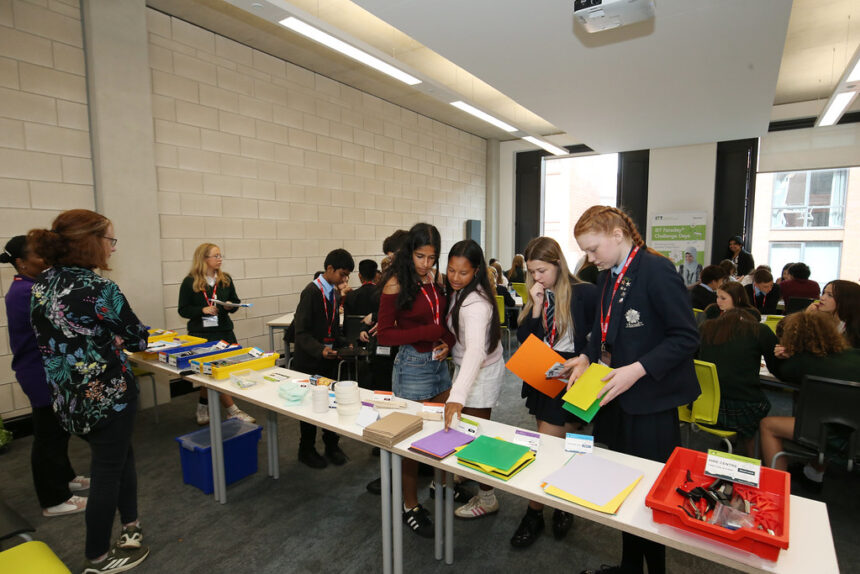
The Institution of Engineering Technology (IET) has launched its 2026-27 Faraday Challenge STEM programme with the aim of offering engineering experiences for more young people across the UK.
This year’s challenge introduces a more flexible format, designed to engage more young people with engineering, technology and innovation.
As part of the challenge, participants have the opportunity to step into the role of an engineer to research, design and develop solutions to real-world challenges. This allows them to gain hands-on experience of the engineering design process, while applying skills such as creativity, teamwork and problem-solving.
“There is a huge demand for future engineers and technicians, and the IET Faraday Challenge gives young people the opportunity to develop the creativity, confidence and problem-solving skills that engineering requires,” said Emily Ord, education lead at the IET.
“We know that a single experience can spark curiosity, build confidence and open young people’s eyes to opportunities they may never have considered before. That is why we are so excited to launch a more flexible challenge format, making it easier for schools and community groups to take part while retaining the creativity, teamwork and excitement that make the challenge so impactful.”
For 2026-27, the programme has been refreshed to offer a new one-hour format alongside the traditional full-day experience. According to IET, the new format is designed to fit more easily within school timetables and community programmes so that more young people can take part.
During the 2024/25 academic year, the IET delivered 310 Faraday Challenge Days across the UK, engaging 740 schools and 10,152 students. Almost half of participants were girls and 35% were from under-privileged schools. The new format aims to build on this success by making the Challenge accessible to even more young people.
According to the 2025 UK Engineering and Technology Skills Survey, 76% of engineering employers struggle to recruit for key roles. The refreshed programme aims to help more young people discover the opportunities available in engineering and technology.
“We hope every participant leaves feeling inspired, empowered and proud of what they can achieve, with a greater understanding of how engineering and technology can help shape the world around them, and perhaps even seeing themselves as the engineers, innovators and problem-solvers of the future.”
The first events of the 2026-27 programme will begin this autumn, with schools and educational settings taking part across the UK to tackle this year’s theme centred around building, transport and leisure.