The negotiations, held for two weeks in Geneva, concluded on August 15 without reaching a final agreement
Global negotiations to finalise a treaty to end plastic pollution ended, once again, without reaching an agreement
After two weeks of talks in Geneva, Switzerland, negotiations concluded on August 15 after divisions were exposed between the countries suffering from plastic pollution versus the ones benefiting from it.
The negotiations for the treaty have been ongoing for three years, during which evidence of the negative impact of plastics on public health and the environment has continued to grow. Despite this, delegates were unable to agree on whether to halt the growth of plastic production and regulate harmful chemicals internationally.
DEJA VU
This is not the first time negotiations have collapsed. In December 2024, talks in Busan, Korea, reached what was considered the final round but concluded with no formal agreement, delaying the decision until the negotiations held this month.
A draft text, released at the time, revealed a group of nations that refused to accept a treaty including time-bound, numerical targets to reduce virgin plastic production levels, even with a targeted focus on the chemicals and items hardest to recycle and most harmful to human and animal health.
Blockers of these targets included Iran, India, China, Russia and Saudi Arabia.
Slashing plastic production can be just as lucrative as production itself. According to the UN, reducing global plastic production by 80% by 2040 could create a $4.5 trillion cost-saving opportunity, provided governments, finance, and the private sectors take exceptional action.
In 2023, the UN also stated it was possible to see a 10% absolute reduction in short-lived plastics by 2027 and that 20% of these plastics could reasonably be replaced with reusables, and the rest with alternate materials.
It was also reported that $3.25 trillion in costs related to externalities like human health, air pollution, water pollution, and environmental litigation could be avoided by severely cutting plastic waste, and that an extra $1.27 trillion could be created by increasing recycling revenues and by keeping the value of plastic products in the economy.
THE CURRENT CLIMATE
The treaty was set to be the most critical environmental deal since the Paris climate accord, aiming to end plastic pollution across its entire lifecycle – not just ocean litter but extraction, product design, production, toxic chemicals, and disposal.
The two most vital issues discussed over the two years of negotiations were omitted from the two draft treaty texts, which were criticised by both the oil-producing states and those pushing for more ambitious action, limits on plastic production and controls on toxic chemicals in plastics.
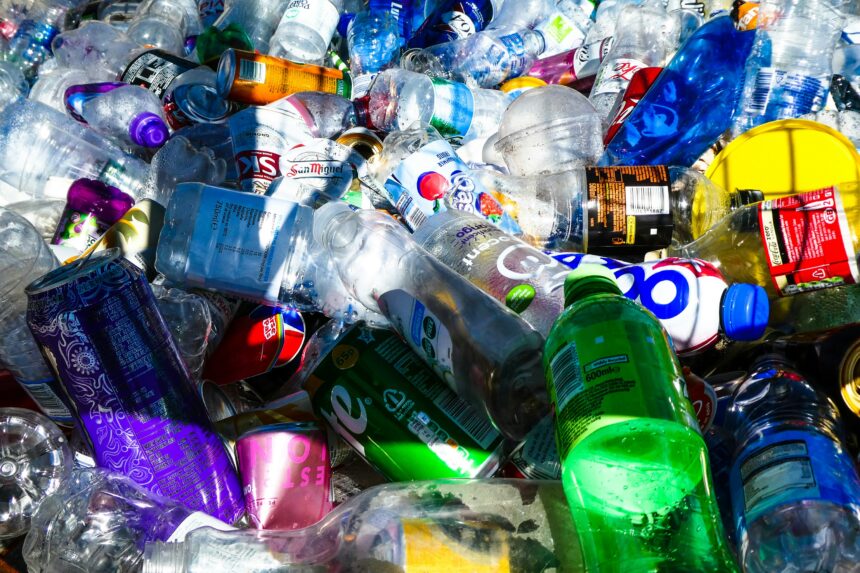
Plastic production is predicted to grow by 70% by 2040. According to Our World in data over 400 million tonnes of plastic are produced globally every year, with half of this being single-use plastic. Nearly half will end up in landfills, 17% will be incinerated, 22% will leak into the environment due to mismanagement, and less than 10% will be recycled.
Environmental scientists from the World Economic Forum say it is impossible to rely on recycling alone to solve the problem.
Inger Andersen, executive director of the UN Environment Programme (UNEP), said: “This has been a hard-fought 10 days against the backdrop of geopolitical complexities, economic challenges and multilateral strains.”
“However, one thing remains clear: despite these complexities, all countries clearly want to remain at the table.”
Diane Crowe, group sustainability director at Reconomy, international circular economy specialists, said: “This was a missed opportunity to tackle one of the greatest structural challenges of our time. The world is extracting and consuming virgin resources faster than the world can regenerate them with too few plastics being circulated back into the economy."
“This dependence on virgin materials is placing unsustainable pressure on the earth’s ecosystems and is contributing significantly to global greenhouse gas emissions. A strong agreement could have accelerated the global shift to a circular economy with nations committing to make better use of existing materials which would lower carbon emissions and environmental harm and reduce costs for businesses.”
Before the negotiations, Reconomy became a signatory to Defra's statement, alongside other businesses across the plastics value chain, calling on nations to agree an ambitious treaty addressing the full lifecycle of plastics.
Michael Laurier, CEO of Symphony Environmental, said: "We should stop talking about bans versus business-as-usual – instead we need to focus on technologies and policies that actually solve the problem."
“The world cannot ban its way out of the plastics challenge. We need innovation, infrastructure, and global cooperation to manage plastic waste responsibly while preserving the benefits that plastics bring to modern life."
"Plastics have become the environmental villain in the soundbites — but the real enemy is pollution. The answer isn’t to erase plastics from the planet, it’s to make them smarter, safer, and better managed."