
Introducing a new innovation in steel protection
Jose Fernandes discusses the crucial role of corrosion protection products in steel production and maintenance
Steel, while known for its strength, is susceptible to corrosion, especially when exposed to moisture, chemicals, and other environmental factors. Therefore, ensuring suitable corrosion protection for steel during production, and later throughout maintenance, is crucial in prolonging the material’s lifespan, reducing cost and ensuring the reliability of steel structures and equipment.
Coatings specialist Hempel A/S has introduced its latest innovation in steel protection, Avantguard 750 Pro, with the aim of addressing critical environmental and economic challenges through improving steel durability.
“Corrosion protection products such as Avantguard 750 Pro play a crucial role in enhancing both environmental and economic outcomes in steel production and maintenance,” says Jose Fernandes, product manager corrosion protection at Hempel. “By extending the lifespan of steel structures – recommended for protection beyond 35 years – these coatings reduce the frequency of replacements and repairs, leading to significant cost savings.”
Aside from the business benefits, corrosion protection can also mean big green wins, too. “Environmentally, improved durability translates to a decrease in steel production demand, thereby lowering CO2 emissions associated with manufacturing,” Fernandes adds. “Moreover, Avantguard 750 Pro’s high solids content and low volatile organic compound (VOC) emissions contribute to a reduced environmental footprint during application.”
TRIPLE THREAT
Avantguard 750 Pro is built upon more than a decade of Hempel’s patented Avantguard technology.
“Hempel’s Avantguard technology stands out due to its patented Triple Activation process, which enhances corrosion protection by activating all three methods: barrier effect, inhibitor effect, and galvanic effect,” Fernandes explains. “It combines zinc, hollow glass spheres and a proprietary activator in our unique patented technology. The result is superior corrosion protection with higher durability compared to standard zinc-rich primers.”
This approach ensures improved durability and helps to extend the lifespan of steel structures. “Additionally, Avantguard 750 Pro has been formulated with high solids content, resulting in lower VOC emissions, contributing to more sustainable solutions,” Fernandes adds.
EXTREME ENVIRONMENTS
In particular, Avantguard 750 Pro is designed for the long-term protection of steel structures and equipment that operate in severely corrosive environments. The solution is therefore suited to a range of harsh environments, from protecting upstream and downstream infrastructure from critical conditions in the oil and gas industry to safeguarding onshore and offshore wind turbine towers against corrosion.
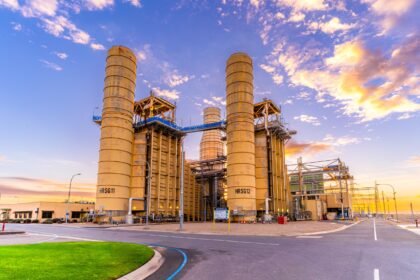
The coating can also be applied within infrastructure to ensure the longevity of bridges, civil structures and port equipment that may be exposed to aggressive elements, and within thermal power plants to maintain the integrity of steel structures subjected to high temperatures and corrosive agents. Meanwhile, the solution can offer enhanced protection to ship topsides in aggressive marine environments.
“Avantguard’s versatility also makes it suitable for both new constructions and maintenance projects, offering excellent crack resistance even in complex geometries,” Fernandes adds.
WEIGHING THE BENEFITS
As Fernandes explains, Avantguard 750 Pro offers several long-term benefits across a wide range of industries. One such advantage is extending asset lifespan: “Prolonged protection reduces the need for frequent maintenance and replacements, ensuring continuous operation and flexibility,” he says.
Improved cost efficiency is another beneficial factor, he continues: “Lower maintenance requirements and extended intervals between repairs result in reduced operational costs over time.”
Environmental sustainability is also an advantage, as the decreased need for steel production and maintenance activities could lead to a reduction in CO2 emissions and resource consumption. Additionally, the coating’s ability to cure at temperatures as low as -10°C and its tolerance to high humidity during application allow for year-round application in diverse environmental conditions.
Fernandes adds: “These advantages collectively enhance the performance, sustainability and profitability of operations across sectors such as oil and gas, renewable energy and infrastructure.”